The gaming industry is constantly evolving. Genres emerge, transform, and sometimes fade away entirely. These shifts aren’t random, but they follow patterns shaped by technology, player behavior, and market forces. Looking at the past can offer insight into where things are headed next.
From the arcade boom of the 1980s to today’s metaverse-driven experiences, gaming has seen waves of innovation. Some studios adapted and thrived, while others struggled to keep up. Understanding these shifts is a way to anticipate what’s coming next.
Arcades, Consoles, and the Birth of Genre Trends (1980–1999)
What Happened:
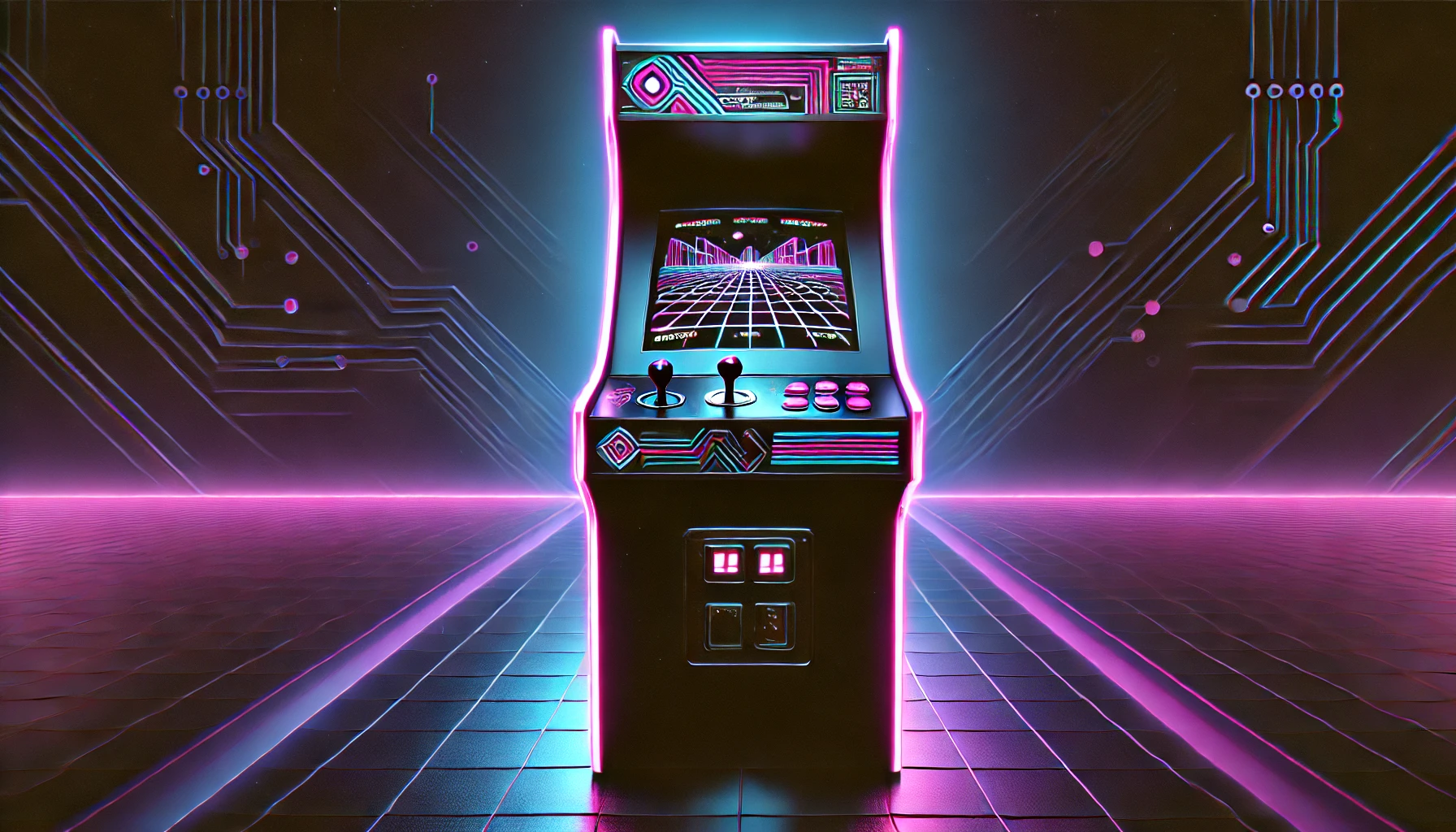
The 1980s belonged to arcades, where games like Pac-Man and Street Fighter II defined early gaming culture. But as home consoles became more advanced, gaming moved into living rooms. The NES, SNES, and PlayStation reshaped the industry, shifting the focus to longer, more immersive experiences. Platformers peaked, fighting games thrived, and 3D rendering changed everything.
How It Connects to Today:
The shift from arcades to home consoles mirrors the way mobile and cross-platform games are changing the industry now. As technology advances, new formats emerge, and player expectations shift. Games are increasingly designed for accessibility, quick engagement, and long-term retention rather than one-off play sessions.
The Internet, Multiplayer, and Gaming as a Social Experience (2000–2014)
What Happened:
The rise of broadband internet transformed gaming into a social experience. MMORPGs like World of Warcraft and competitive shooters like Call of Duty shaped an era where online play became the norm. At the same time, casual games gained traction with new audiences, proving that accessibility and simplicity could be just as impactful as deep mechanics.
How It Connects to Today:
Many of these trends have only grown stronger. Competitive multiplayer games continue to dominate, with Fortnite and Valorant building on foundations set decades ago. Meanwhile, mobile and hyper-casual games have further expanded the reach of gaming, making it more accessible than ever. Player communities, once built around LAN parties and forums, now thrive on Twitch, Discord, and social media.
Live-Service, Streaming, and the Breakdown of Genre (2015–2024)
What Happened:
Games are no longer just products—they’re ongoing services. Titles like Fortnite and Genshin Impact have moved away from the traditional release model, instead evolving through regular updates, live events, and player-driven content. Streaming has also changed how games succeed, with titles designed as much for audience engagement as for gameplay.
Meanwhile, niche genres like “soulslikes” have proven that challenge and depth still have an audience, even in an era dominated by accessible, mainstream experiences.
How It Connects to Today:
Genres have become more fluid, and hybrid experiences are more common. Many of the most successful games today don’t fit neatly into one category—they blend elements from multiple genres to keep players engaged. Retention and engagement now matter as much as initial sales, and community involvement plays a bigger role than ever in shaping a game’s long-term success.
What’s Next? Three Trends to Watch
- AI-Driven Personalization: Dynamic, player-adaptive experiences could redefine game design, with AI shaping quests, NPC behavior, and difficulty based on individual playstyles.
- Cross-Reality Integration: As AR and VR evolve, gaming may become more immersive, with experiences blending digital and physical spaces.
- Player-Owned Economies: While blockchain gaming has faced challenges, new models could emerge that allow players to have greater ownership over in-game assets.
Final Thoughts
Looking at gaming’s history, one thing is clear—change is constant. The mechanics, platforms, and business models may evolve, but the core principles of engagement, creativity, and innovation remain. Studios that stay adaptable and open to emerging trends will be best positioned for what’s ahead