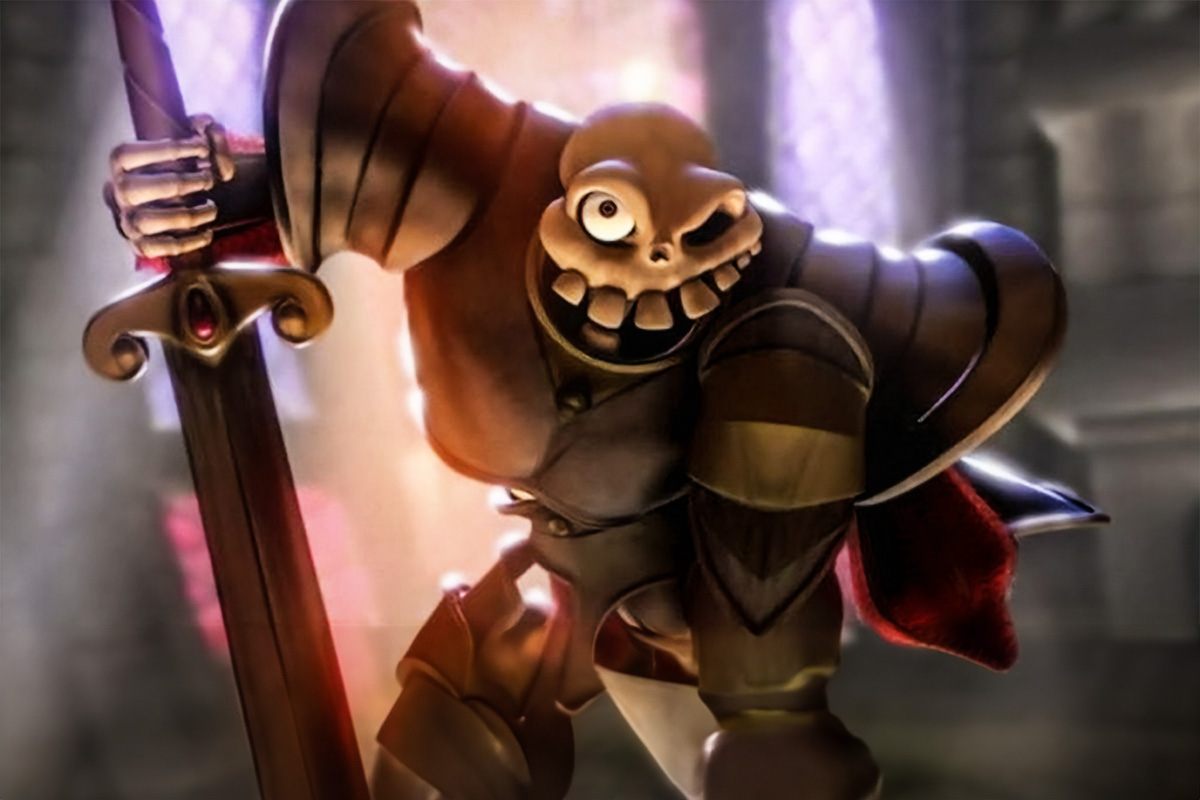
In the mid-1990s, Sony Computer Entertainment Europe was buzzing with excitement. The PlayStation had just launched, and we were actively searching for games that would showcase the console’s potential.
My role as an external producer involved scouting for promising titles, and it was during this period that MediEvil from Millennium Interactive came into view.
From the start, I felt the game had something special. Its Gothic aesthetic, quirky humour, and the character of Sir Daniel Fortesque—a skeletal knight on a redemption quest—stood out.
I believed in its potential and pushed for Sony to sign it, convinced that it could offer something different to the PlayStation library.
Once we had the green light, it was time to turn that promise into a reality.
The First Encounter: Potential Meets Passion
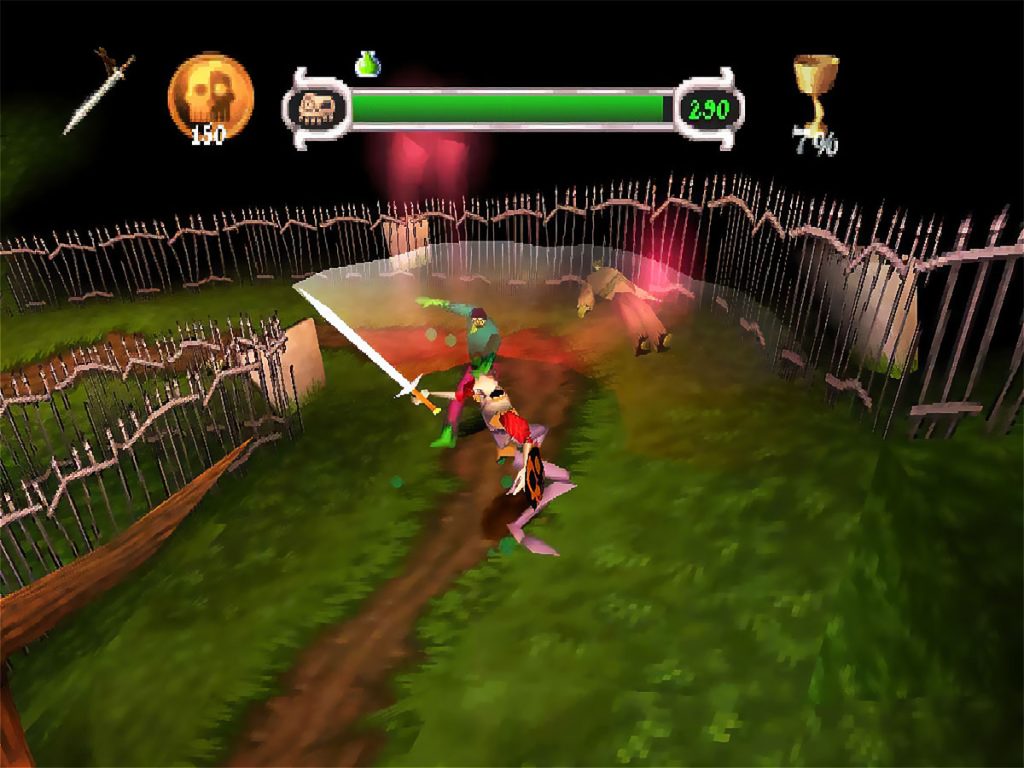
When I first visited Millennium Interactive to see the prototype, it was clear they had invested a lot into MediEvil.
visuals were atmospheric, and the music brought a darkly playful tone to the whole experience. Sir Dan’s character felt like he could become a fan favourite with the right development.
Yet, despite the strong presentation, I could see that the gameplay wasn’t quite there. It lacked the engagement and fun factor that would keep players invested beyond the initial appeal.
Combat was repetitive, and the game risked becoming a straightforward hack-and-slash experience. I knew then that my biggest challenge would be helping to steer MediEvil into something more layered and immersive.
Turning Point: Adding Depth to the Gameplay
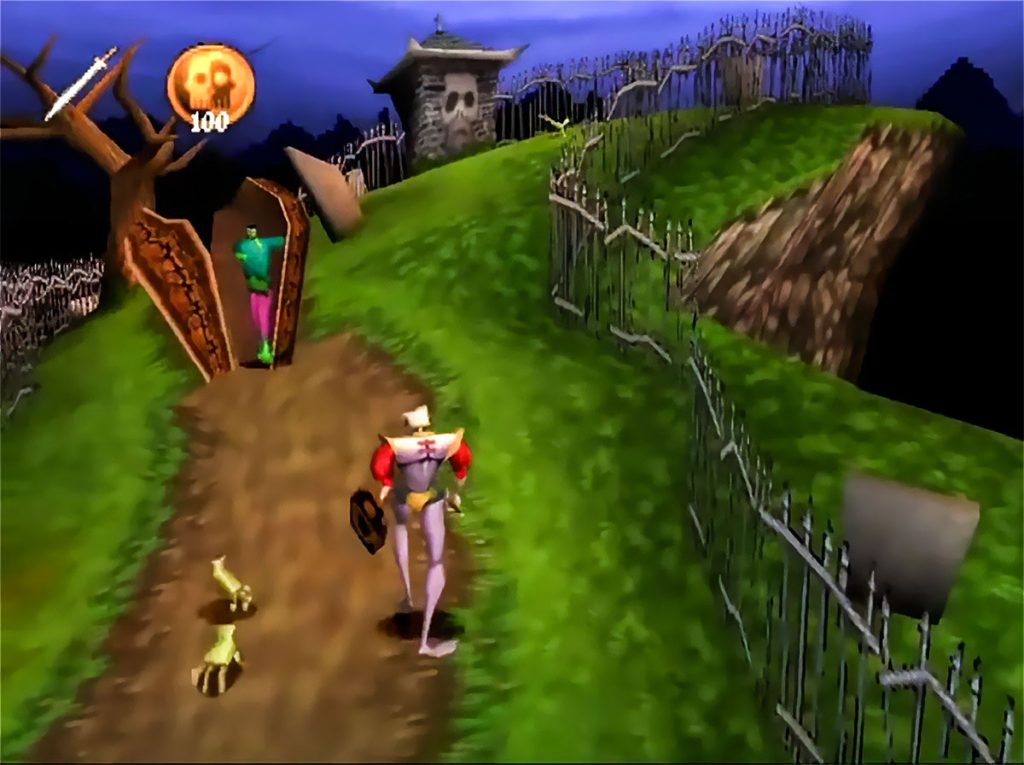
Once production was fully underway, my role became crucial in addressing the gameplay challenge. It was clear that MediEvil needed more than just solid visuals and a quirky theme—it needed depth to keep players engaged.
Working closely with the Millennium team, we set out to introduce new layers to the gameplay.
We reimagined how players would progress through the game. Combat was important, but it couldn’t be everything.
So, we explored ways to break up the action with puzzle-solving elements, more varied objectives, and a system of rewards that would give players a reason to keep pushing forward.
This wasn’t a simple process, and it required a lot of back-and-forth collaboration, but the team was incredibly open to ideas and feedback.
A Process of Refinement: Finding the Fun
Getting the gameplay just right required constant iteration.
My job was to guide the team through testing new ideas and gathering as much feedback as possible. We introduced changes, tested them internally, and refined them based on what worked and what didn’t.
It wasn’t about reinventing the game; rather, it was about refining it. Each small adjustment brought us closer to the immersive experience we envisioned.
Working alongside Millennium Interactive, I helped shape the process, ensuring that every change added to the overall engagement without straying from the game’s original charm.
The team’s openness and willingness to adapt made this process smoother. It was a collective effort, and though we faced challenges along the way, the progress was undeniable.
TThe Release: Bringing Sir Dan to Life
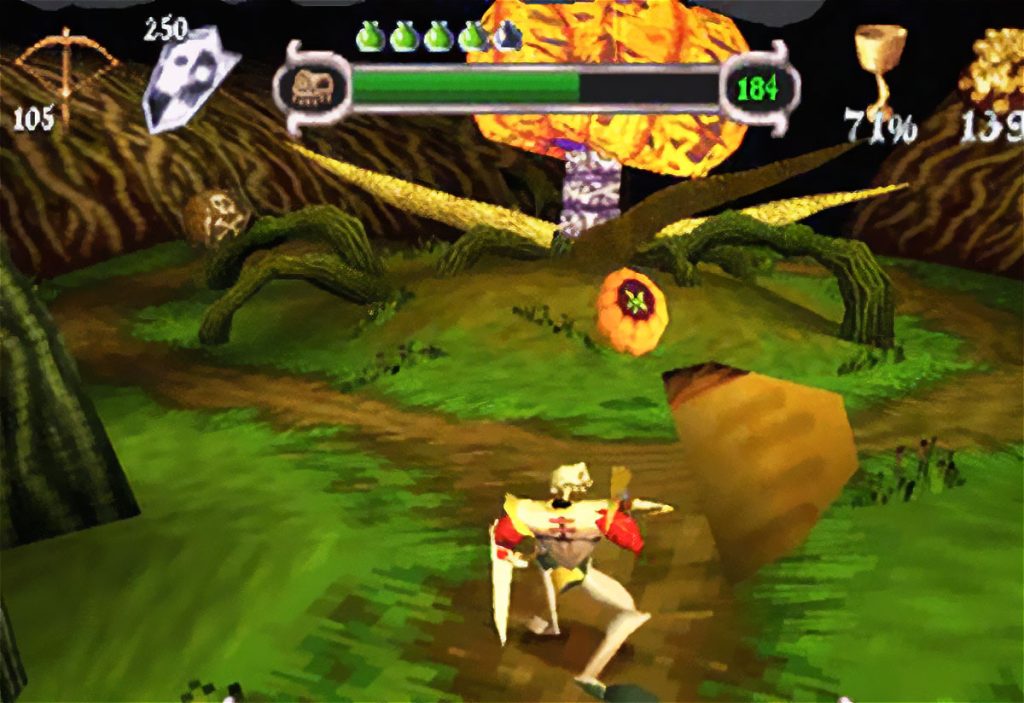
When MediEvil was finally ready for release, the transformation was clear. The feedback from internal testing had been positive, and there was a growing sense that we had managed to create something special.
The game had evolved into more than just a visually striking experience—it was fun, immersive, and rewarding.
I don’t have the exact sales figures at hand after all these years, but I know MediEvil met its commercial goals and was well-received by players. It struck a chord with its unique combination of dark fantasy and humour, and its success led to MediEvil 2, which went on to win a BAFTA award.
Although I had moved on from Sony by the time the sequel was produced, I took immense pride in having been part of the original’s success.
The game’s legacy didn’t end there. Millennium Interactive would eventually become Sony Cambridge Studios, a significant acquisition that strengthened Sony’s internal development capabilities.
The success of MediEvil played a role in that journey, and being part of such a pivotal moment in PlayStation’s history remains one of the most rewarding experiences of my career.
Reflections on the Journey
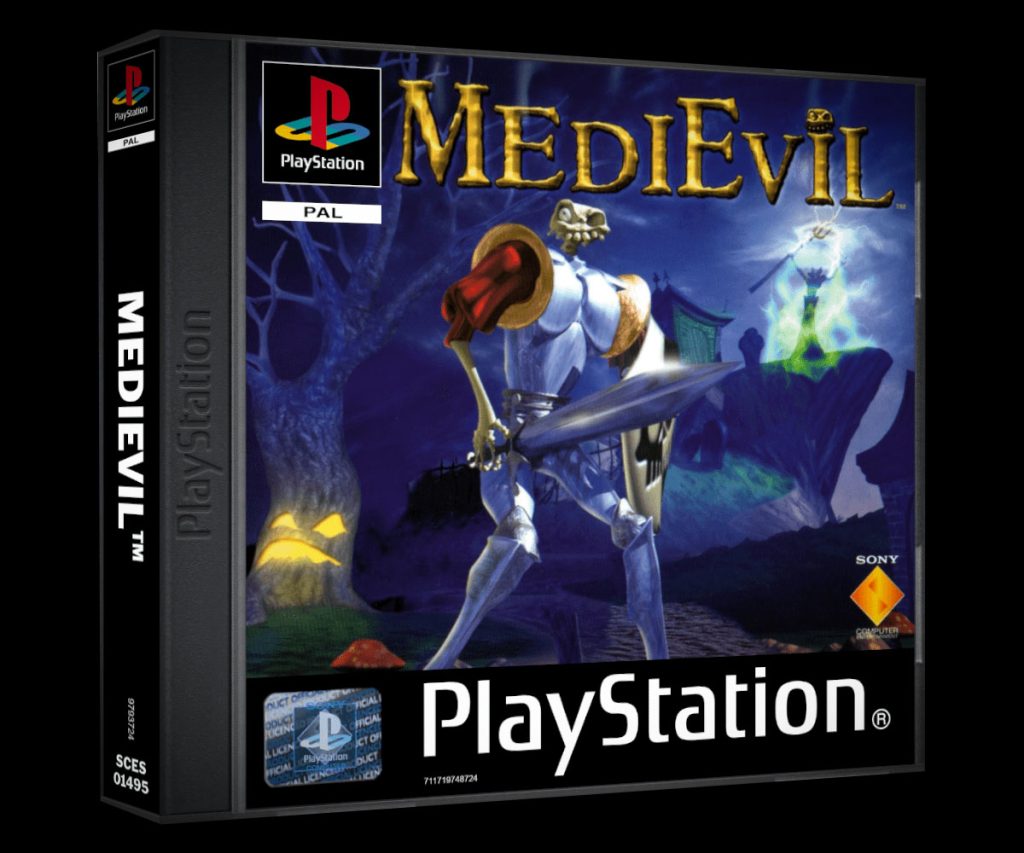
Looking back, MediEvil was a reminder of how game development evolves through collaboration and persistence.
My role as producer wasn’t just about managing timelines; it was about guiding a vision from concept to completion. At times, this meant knowing when to push for iteration or trust the instincts of the team.
While MediEvil’s success was a collective effort, I take pride in having played a role in shaping its journey. It reinforced the idea that game development is a process of trial, error, and constant refinement.
What began as a promising idea became a beloved PlayStation classic thanks to the dedication of the entire team.