In the fast-paced world of game development, nothing is ever guaranteed—even when the pieces seem to be in place.
This is a story about stepping into a project on the edge, balancing a community’s expectations, and fighting to deliver amidst high stakes and dwindling resources.
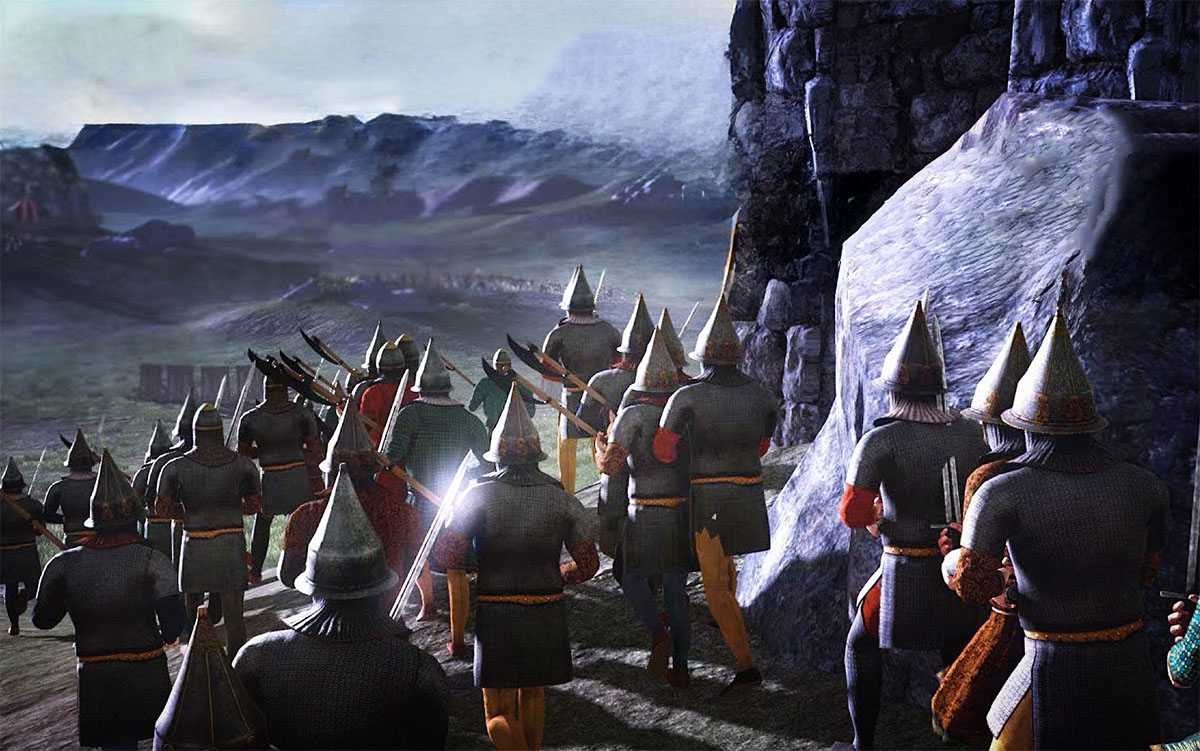
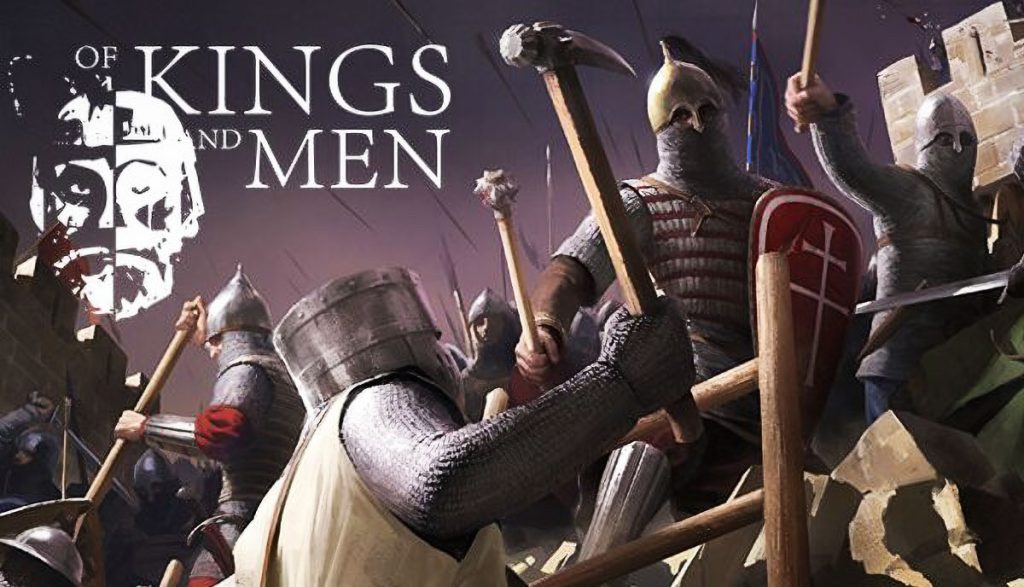
The project was a game called Of Kings and Men, a once-promising title that had garnered significant attention through crowdfunding and an initial launch on Steam.
Tens of thousands of players had invested their hopes, and their money, into the promise of an expansive medieval experience.
But by the time I entered the scene, as an analyst suddenly thrust into the role of project manager, the reality was grim.
The game’s development team had crumbled under pressure, key features were still missing, and the community was seething with frustration.
Facing the Fallout
When I took over, the immediate challenges were overwhelming.
Angry players were demanding refunds, the team had opted to build their own 3D engine—leaving us without external support—and, perhaps most daunting of all, there was no development team left.
Only the founders remained, and even they were stepping away from the project. It was a ship adrift, with little more than a tight budget and a mounting wave of community dissatisfaction.
The first step was communication. I reached out to the community, buying us some much-needed time.
We managed to get a month’s grace to familiarise ourselves with the code, stabilise the situation, and come up with a plan.
But it was clear that the project was in disarray—key features that had been promised were nowhere to be found, and the remaining code was incomplete at best.
Creating a Path Forward
The task at hand was to restore confidence, both internally and externally.
We hired a new game designer, brought in a veteran programming team to perform a technical audit, and got to work on building a new roadmap.
The audit revealed what we feared—many of the core features hadn’t even been started, and we had to make some difficult decisions. It was time to rethink everything.
To keep the project alive and maintain the community’s fragile trust, we implemented two-week development cycles.
Smaller features that could be completed quickly were prioritised, while the larger, more complex ones, like the much-anticipated world map, were put on a longer development timeline.
We kept the community involved, allowing them to vote on new features and keeping them in the loop through regular updates.
A Glimmer of Hope
At first, the strategy worked. The community, while still skeptical, warmed to the new approach.
The regular updates were a morale boost for both the team and the players, and after months of effort, we finally released the world map—a long-awaited feature that was received with enthusiasm.
For a brief moment, it seemed like we were turning the tide.
But Too Little, Too Late
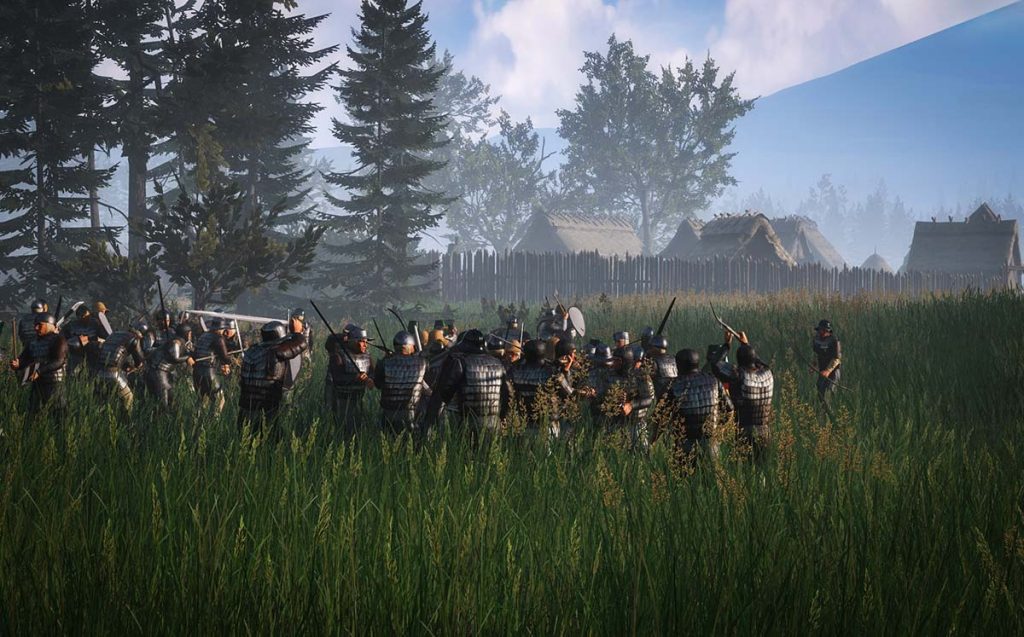
However, despite the successful release of the world map and the steady stream of new features, it became clear that the damage was done.
The player base had dwindled, many having already abandoned the game, feeling deceived by the earlier unfulfilled promises.
Without enough marketing budget to bring new players in and no real way to compete with larger, better-funded games, we had lost the critical mass we needed to sustain the project.
The game was ultimately bound to fail, not because of the efforts of the new team, but because of the unmovable consequences of its earlier mismanagement.
Lessons Learned
Looking back, I realise that the project was likely destined for closure long before I arrived.
While we managed to patch up some of the issues and release critical features, the game’s fate had been sealed by its early failings.
In hindsight, I might have pushed for the project to be shut down from the beginning, recognising that no amount of effort would overcome the community’s loss of trust and the lack of necessary resources.
However, at the time, legal and contractual obligations made that decision seem impossible.
The experience reinforced a tough but valuable lesson: even the most passionate work and well-meaning efforts can’t always reverse a project’s trajectory, especially when the core foundation has been compromised.
But it also highlighted the importance of communication, transparency, and taking swift action when faced with adversity—even if the outcome isn’t what you hoped for.