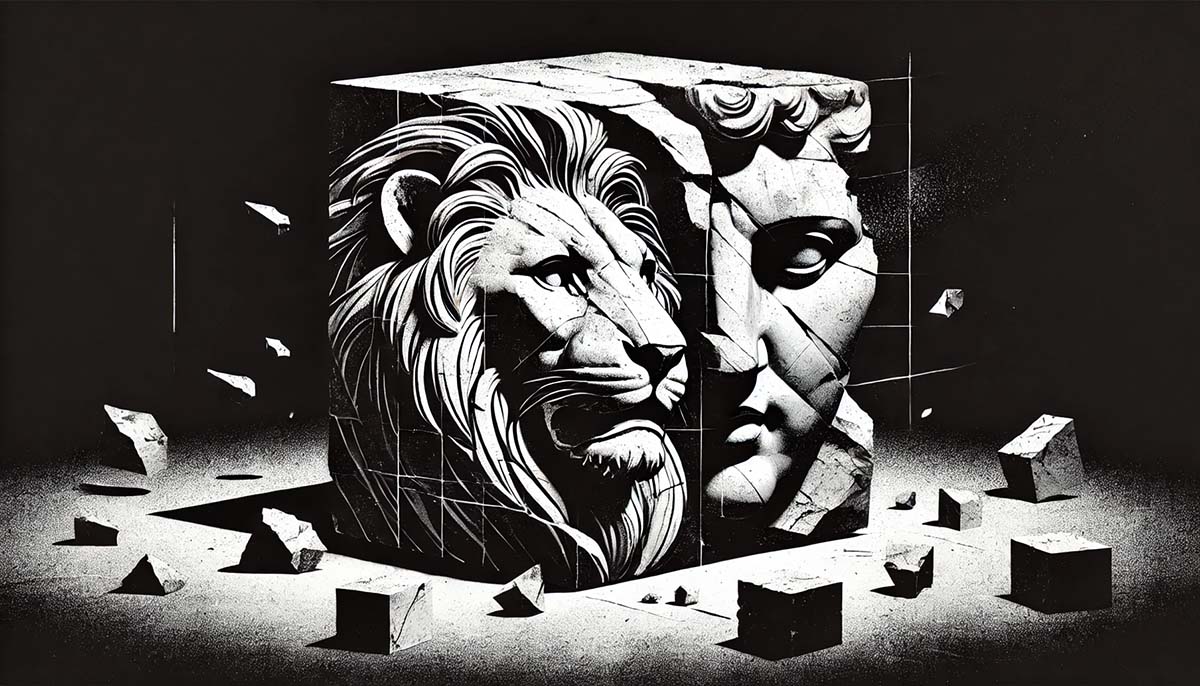
Imagine trying to carve a statue from a block of marble while constantly being told to change its form.
One day, the marble should resemble a lion, the next day, a human figure, and then back to a lion.
No masterpiece is ever realised, and soon the block is whittled down to rubble, never becoming anything at all.
“Indecision drains momentum faster than failure ever could.”
The Game of Tug-of-War: Indecision vs. Progress
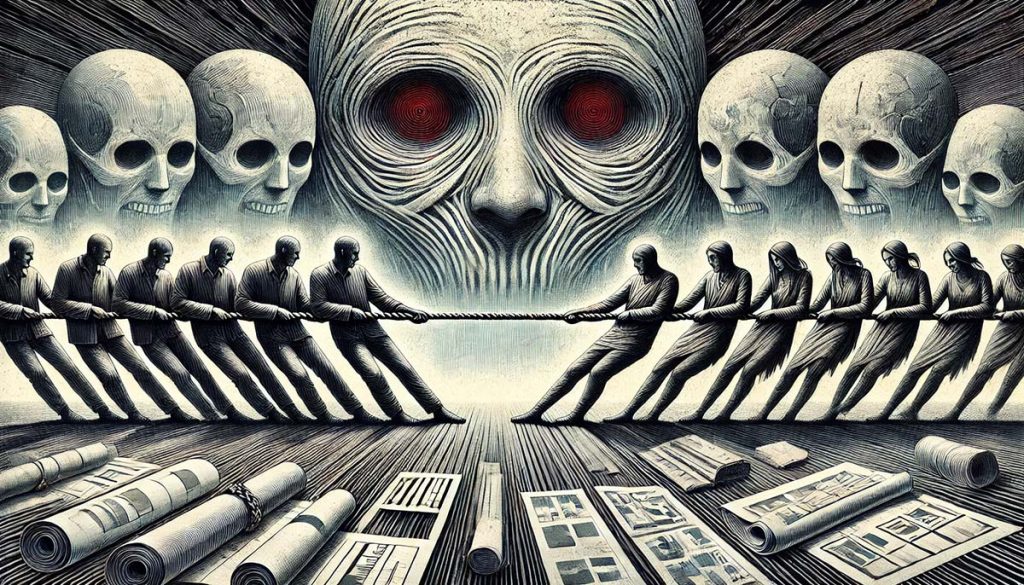
In the world of game development, indecision can feel like a constant tug-of-war with progress.
Projects often find themselves stuck in an endless loop of rewritten design documents and conflicting visions.
The truth is, games—like all creations—are living entities, evolving over time.
But when the evolution is driven by indecision rather than clear direction, it leads to burnout, frustration, and wasted time.
A minimum viable product (MVP) provides a solution to this cycle.
By getting something tangible into the hands of the team early on, an MVP allows ideas to breathe and evolve naturally, giving form to the core of what the game wants to be.
The Hidden Cost of Changing Course
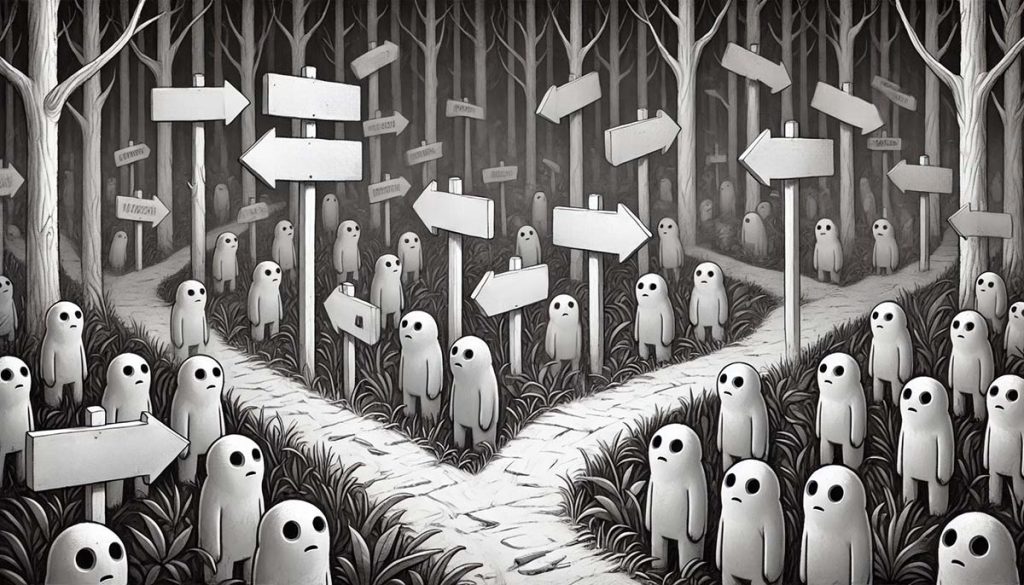
Change is sometimes necessary, but frequent shifts often stem from fear of failure or lack of confidence in the original vision.
The emotional toll this takes on developers is often overlooked.
Endless revisions lead to a loss of morale, as team members see their efforts being torn apart by indecision. Instead of innovation, this cycle fosters exhaustion.
With an MVP, the goal is to stabilise the creative process by giving the project a foundation.
It’s a checkpoint, not the final destination, allowing teams to adapt while holding onto what makes the game unique.
Pivoting with Purpose: The Value of Restraint

“Purposeful restraint nurtures creativity.”
Pivoting, when done thoughtfully, can breathe new life into a project.
However, too many pivots without direction create a fragmented product that never quite knows what it wants to be.
A strong MVP gives teams a focal point—a north star—so that even when changes are needed, they occur with purpose.
Big changes aren’t forbidden, but they should be made deliberately, not out of uncertainty.
By creating an MVP, developers allow themselves the room to refine ideas without sacrificing momentum or team morale.
Letting Ideas Breathe

“Ideas need space to grow, not endless reshaping.”
An MVP is not about limiting creativity; it’s about fostering it in the right environment.
By committing to an initial vision and resisting the urge to constantly reshape it, game development teams give their ideas the chance to flourish.
Small, necessary adjustments are part of the creative process, but the foundation remains.
Ultimately, getting to an MVP is about trusting the vision long enough to see if it can stand on its own before deciding what, if anything, needs to change.