
In a small kitchen, a few hands can stir the pot with ease, adding spices on instinct, while larger kitchens require maps to navigate from the pantry to the stove.
In those early days of game development, the ingredients were simpler, but the flavours were bold, full of the chefs’ own experimental flair.
The intimacy of these small teams made creativity feel organic, with every team member stirring the vision in their own way.
“Creativity thrives in the space between collaboration and constraint.”
The Freedom of Many Hats

Programmers weren’t just lines of code; they were collaborators, building mechanics hand in hand with artists who shaped the look and feel of those virtual worlds.
Game designers might have also been storytellers, marketers, and sometimes even the sound engineers.
This allowed for an organic cross-pollination of ideas, where boundaries between roles were blurred, making room for creativity to sprout from every corner.
Smaller teams lived on the thrill of experimentation, where mistakes were part of the process and the constraints of limited resources led to elegant solutions.
The Rise of Specialisation
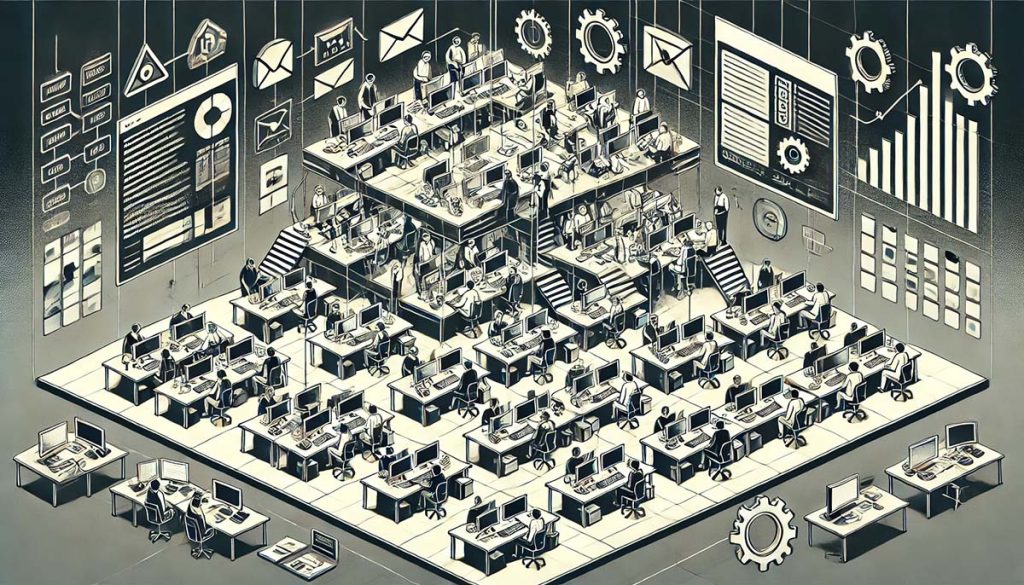
As the industry evolved, so did the size of the teams, and with them, the precision of their roles.
By the time AAA studios emerged, they carried with them layers of hierarchy, timelines, and intricate production processes.
Daily stand-ups, stakeholders, and live ops became part of the new order.
Each role became more specialised, and while the scope and quality of games grew, so did the distance between collaborators.
With more pieces in motion, spontaneous creativity was harder to catch and harness in the same way.
Conversations that once flowed naturally over coffee between a designer and a programmer now required structured meetings or long email threads.
The Simplicity of a Small Team

"Art can still emerge from the few."
Despite this shift, games like Limbo remind us that the magic of small, tightly-knit teams isn’t gone.
There’s a kind of magic that can only be born in environments where everyone has a hand in every part of the process.
Simplicity often breeds innovation, and in today’s complex landscape, it’s the smaller teams that sometimes surprise us with the most groundbreaking work.
Their freedom to bend rules and wear multiple hats allows them to reclaim the joy that came from less rigid, more collaborative development.
Carving a Path Back to Simplicity

As technology advances, the game development world continues to expand and evolve, but perhaps the answer isn’t always to grow bigger and more complex.
Sometimes, what’s lost in the quest for scale is the raw, unfiltered creativity that thrives in simple, organic environments.
Small teams don’t just build games—they build relationships, ideas, and moments of brilliance that can only happen in those cosy spaces where everyone can contribute.
By looking back at the past, we’re reminded that the fundamentals of creativity remain unchanged: small, focused teams, where the vision is shared and the hats are many.
The Rediscovery of Play
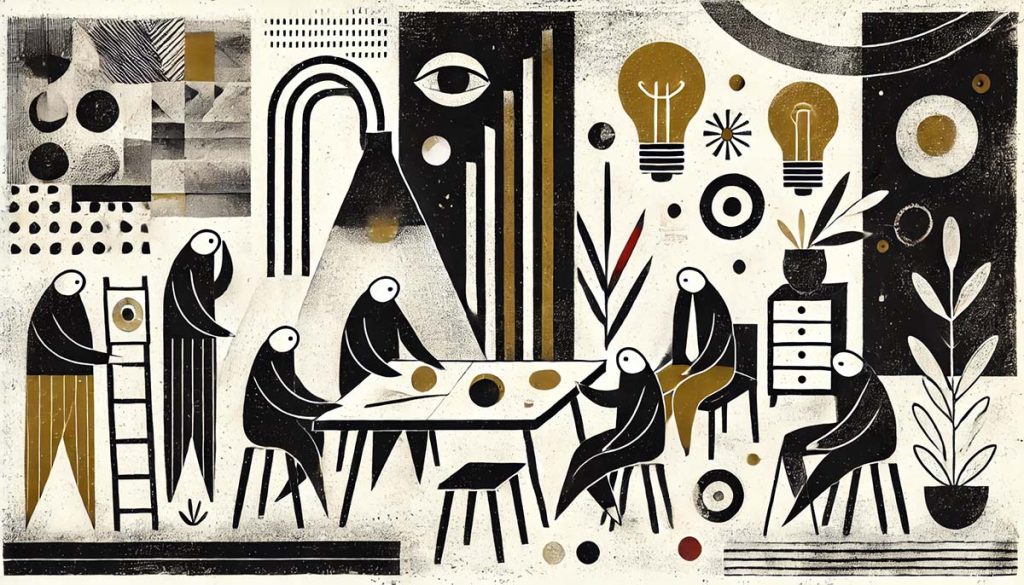
"Where imagination roams free, small teams reign supreme."
The creative energy that flowed in the early days of game development is a reminder that greatness can come from simplicity.
The game industry may have grown, but there’s a place for those smaller, more intimate teams to shape the future—one that remains grounded in passion, collaboration, and the playful spirit that started it all.