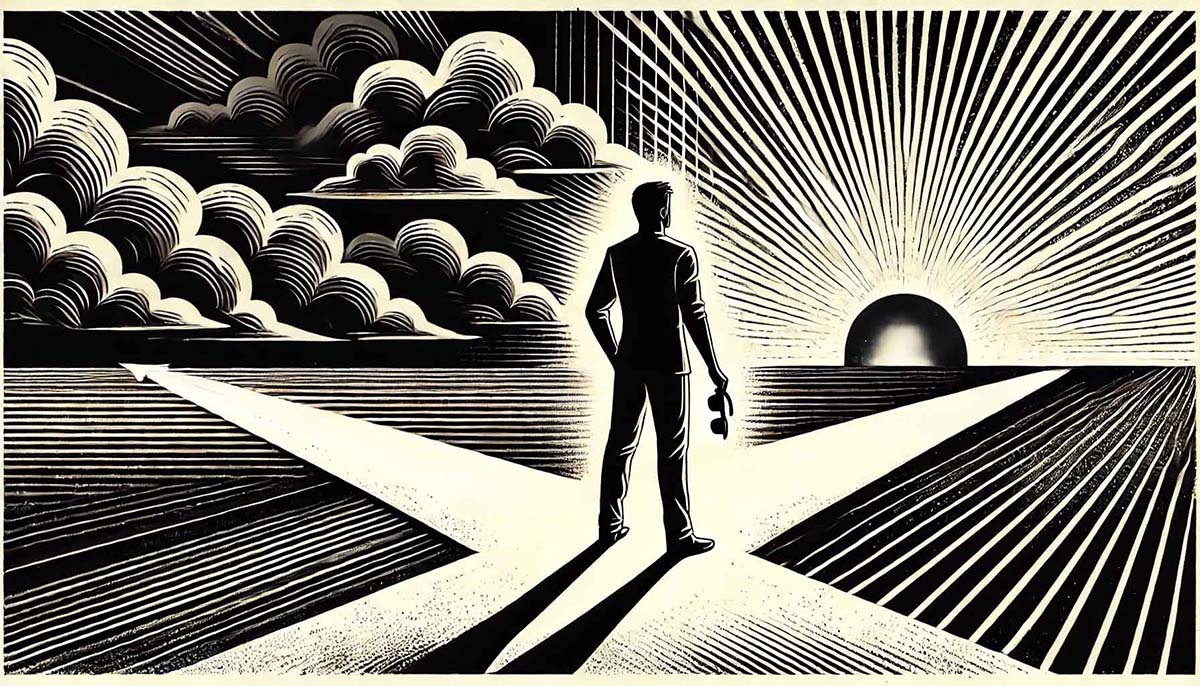
Your perspective is like a pair of glasses, tinting everything you see with its chosen hue. When those lenses are dark, even the brightest day seems dim.
But change the lenses, and the same world you once saw as dull is suddenly full of light and colour.
It’s not the world that has shifted, but the way you are seeing it.
“The lens through which we view the world shapes the colours of our inner experience.”
Perspective Wears the Mood
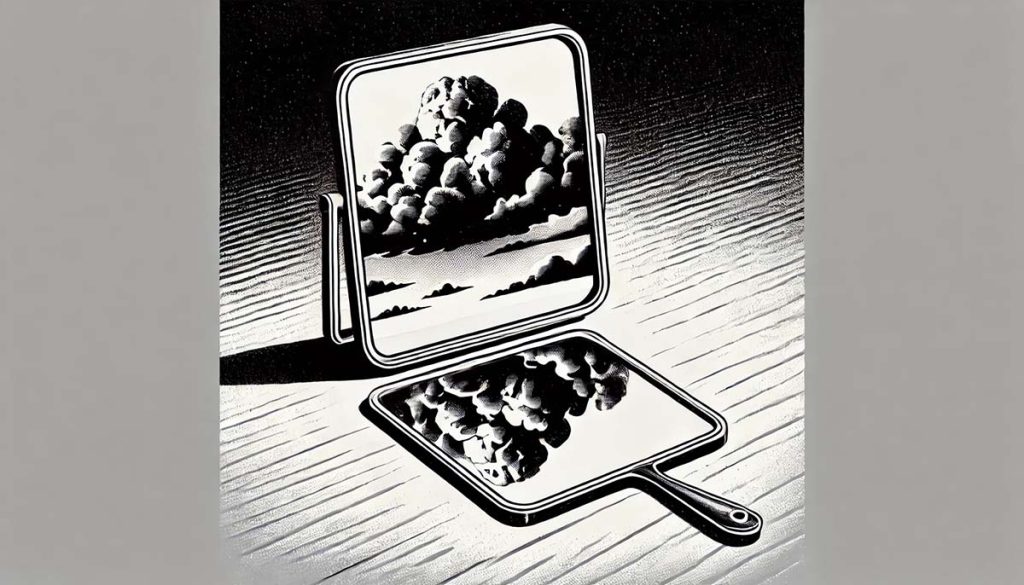
“Our minds are mirrors, reflecting the skies we choose to see.”
Ever notice how a single frustrating moment can twist the day into a knot?
A minor mishap snowballs, not because it is truly disastrous, but because our perspective makes it so.
Mood and perspective are woven tightly together, each one feeding the other.
It’s as though a sour mood lays a filter over the world, amplifying negativity while making it harder to spot the good.
In those moments, everything can feel off-balance, and the emotional grip of frustration tightens.
The truth? The situation hasn’t changed—our outlook has.
The Anchor of Habitual Thought

When we lock ourselves into a negative perspective, the weight of our thoughts can keep us anchored there.
The challenge is, once a bleak or frustrated lens sets in, it acts as a gravitational force, pulling every other thought toward negativity.
But the mind isn’t static—it can be redirected.
Science supports this: engaging in physical activity like a walk or run can shift our brain’s focus and release feel-good chemicals, instantly lifting the fog.
The way you choose to see a situation—by taking a break, reflecting, or simply moving—can tilt your mood toward optimism.
Perspective as a Choice
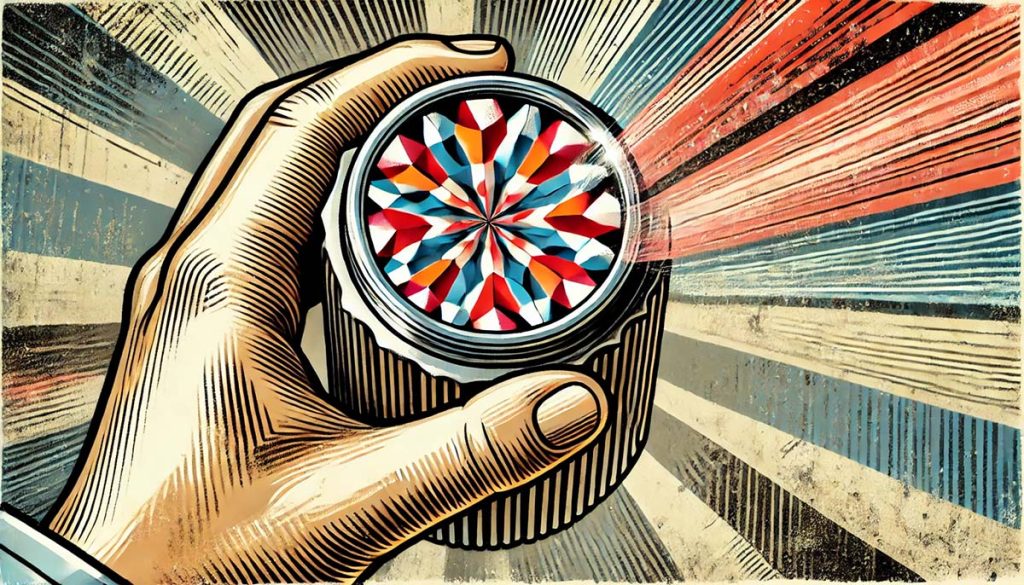
While emotions may feel like they happen to us, they often happen through us—filtered by the perspectives we adopt.
It’s easy to wake up and face the day with a grim outlook, but equally easy to challenge that mindset.
If we can accept that perspective is not fixed, but flexible, we unlock the potential for change.
Our well-being isn’t just a product of external events; it’s also shaped by how we choose to interpret and respond to those events.
The Mood Follows the Action
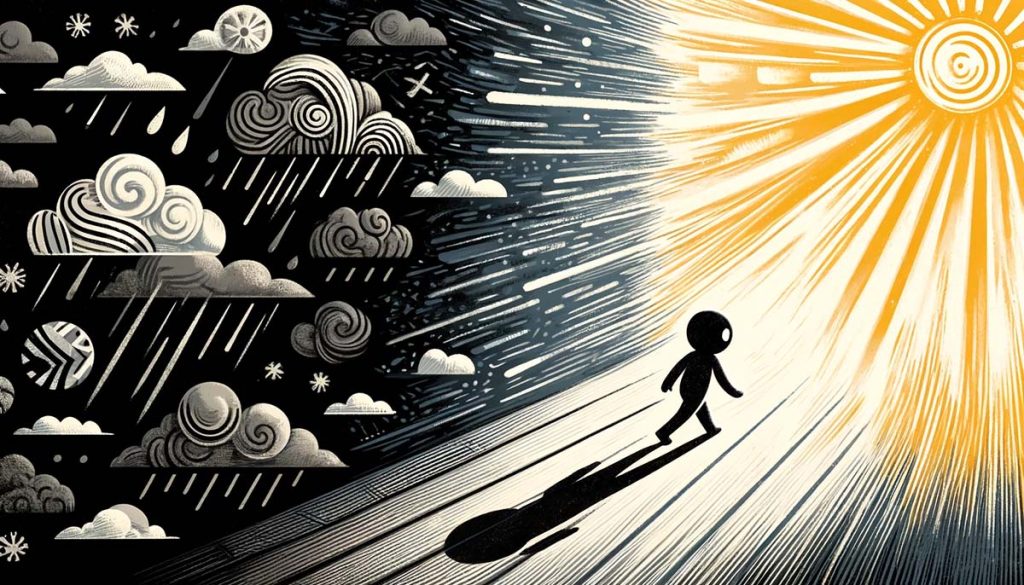
“Every step toward positivity is a shift in the emotional weather.”
At the heart of it, your mood can be influenced as much by the physical as by the mental.
Choosing to do something positive, whether it’s as simple as getting fresh air or engaging in a hobby, sends signals to your brain that the storm is lifting.
The clouds part not because the world changed, but because you did.
Positive actions recalibrate your focus, allowing the weight of negative emotions to lighten, and your mood to lift.