
Just as the forest floor thrives on the remnants of fallen trees, so too does innovation feed on the lessons of failure.
What may first appear as defeat often becomes the soil in which breakthrough ideas take root, allowing creativity to flourish where success alone would have left the ground barren.
“Failure is not the enemy of progress; it is the companion of innovation.”
The Mentor That Is Failure

“Failure whispers the secrets success dares not reveal.”
In the same way an unexpected detour forces a traveller to discover new paths, failure nudges innovators to explore uncharted territories.
Some of the most revolutionary inventions were born out of errors that opened the door to deeper thinking and creative solutions.
It is through this lens that failure becomes not a destination but a mentor—guiding teams and individuals towards discoveries they never anticipated.
The Safe Haven of Innovation

For innovation to thrive, teams must feel safe to stumble.
Psychological safety is the invisible net that allows employees to take leaps without the paralysing fear of falling into failure’s grip.
In such environments, failures are celebrated as experiments, each one inching closer to that next “aha” moment.
When failure is not seen as a reflection of one’s worth, but rather as a necessary part of growth, risk-taking turns into a shared journey of discovery.
Failure as a Dialogue

“Every failure speaks the language of progress, if we choose to listen.”
Failure should never be seen as a one-sided event but rather as an ongoing conversation with success.
When viewed as a feedback loop, each failed attempt offers valuable insights—sometimes more so than a success.
This dialogue refines products, improves strategies, and sharpens creative processes.
It creates a rhythm of continuous improvement, where failure is simply another step in the dance of innovation.
The Art of Failing Smartly

Not all failures are productive. The distinction between smart failures and reckless errors lies in intention and planning.
Thoughtful risks, grounded in strategic vision, fuel innovation. In contrast, failures born from carelessness offer little value.
Smart failure encourages bold thinking, but only when guided by calculated risks. By reflecting on past mistakes, teams learn to take risks that align with future aspirations.
Shifting the Cultural Current
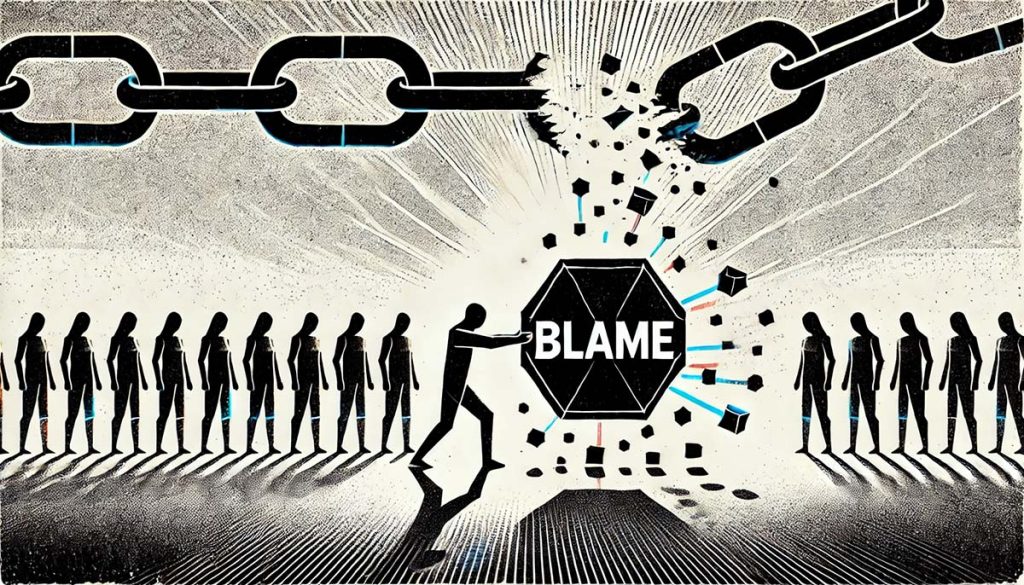
For failure to become a path to innovation, the organisational culture must shift from one that punishes to one that learns.
A culture rooted in blame halts progress, while one that nurtures a growth mindset accelerates it.
Leaders set the tone for this transformation, modelling how to turn stumbles into stepping stones.
When failure is viewed as an opportunity for reflection rather than punishment, teams move forward with renewed confidence and creativity.