
Imagine walking through a grand hall filled with doors, each one an opportunity, a possibility.
You have the key to every single one, but a whisper in the back of your mind keeps telling you the doors weren’t meant for you.
This whisper isn’t from the world outside; it’s from inside you, casting shadows over the brilliance you carry.
To silence this voice, you must confront it, recognising that the key in your hand is meant to open doors, not create barriers.
“The loudest critic often hides within us, amplifying doubts we’ve never earned.“
The Phantom of Self-Doubt
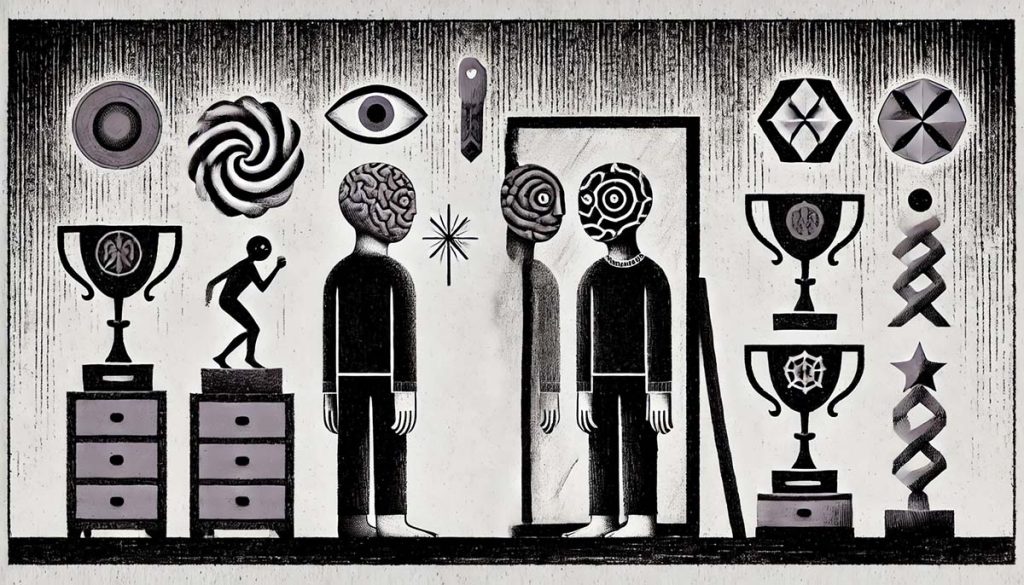
"Like a mirror that reflects only your insecurities, imposter syndrome distorts your achievements."
Imposter syndrome, at its core, is a master of illusions.
It takes your successes and casts them in a doubtful light, making you feel like a fraud, even when those around you see undeniable skill.
It’s as if you’re living in a hall of mirrors, where every reflection shows a version of yourself that’s slightly skewed.
But the truth is, these mirrors only reflect back what you’ve been conditioned to see—whether it’s fear of criticism, perfectionism, or the need for external validation.
None of these things are true representations of who you are, yet they hold immense power.
So much of imposter syndrome is rooted in a deeply ingrained habit of comparison—measuring your insides against others’ outsides.
The Unforgiving Narrator
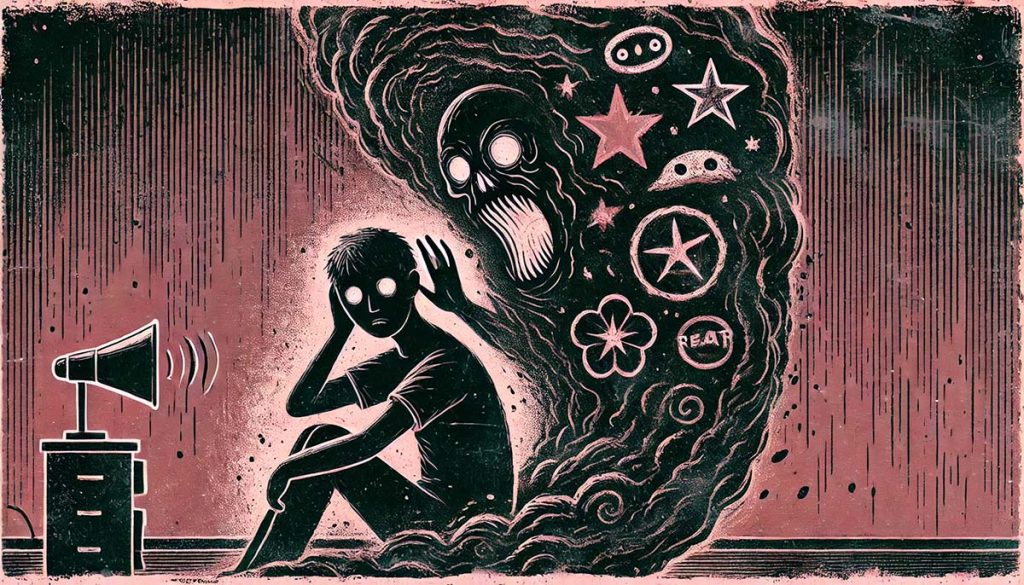
"Your mind becomes the narrator of your own fears, even when the story doesn’t align with reality."
Our minds are incredibly creative, spinning stories where we are somehow always lacking.
It’s not uncommon to hear a voice that says, “You’re only here because of luck,” or “If they find out you’re not as great as they think, it’ll all come crashing down.”
The problem isn’t that you aren’t capable; it’s that this inner narrative takes over, and you start believing in the imposter more than your actual achievements.
But here’s the thing—this voice is a faulty narrator.
It’s drawing from past experiences, maybe old traumas or societal expectations, but it’s not based on who you are now or the work you’ve genuinely put in.
The Dance of Self-Sabotage
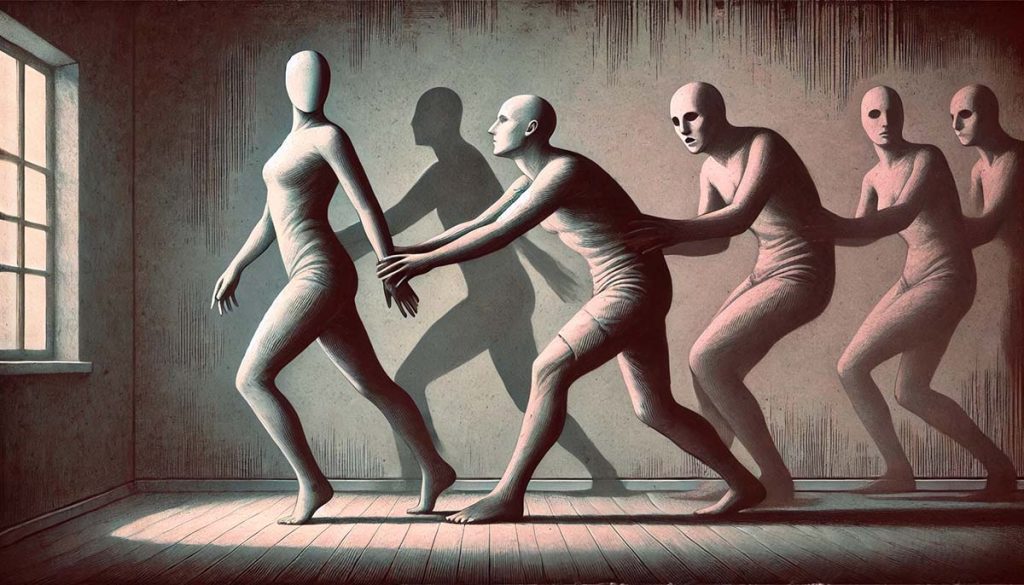
"In fearing judgement, you step away from the spotlight you deserve to stand in."
Self-sabotage often feels like protecting yourself from the sting of criticism, but in reality, it’s keeping you from the growth and joy that come from your achievements.
When you anticipate failure, or imagine being exposed as a fraud, you unconsciously start to pull away from the things you excel at, the projects that excite you.
It’s as though you’re in a dance with yourself, afraid to move too far forward in case you trip.
But the truth is, every step you take forward, however small, is part of building your confidence.
The only way to break this cycle is by staying in the dance, even when it’s uncomfortable.
The Unseen Power of Authenticity

What causes imposter syndrome to take root is often the quest for external validation.
You seek approval, compliments, recognition—but these are all temporary fixes.
They never quite fill the gap, because the issue isn’t with what others think of you, but how you think of yourself. Instead of validation, turn inward.
Authenticity is what will anchor you.
When you begin to love yourself, not because of what you achieve, but because of who you are and what you value, that’s when the grip of imposter syndrome starts to loosen.
You don’t need to be perfect, or even close to it.
You simply need to respect your journey, your unique way of navigating the world, and the fact that you deserve the space you’re in.
The Key to Walking Forward
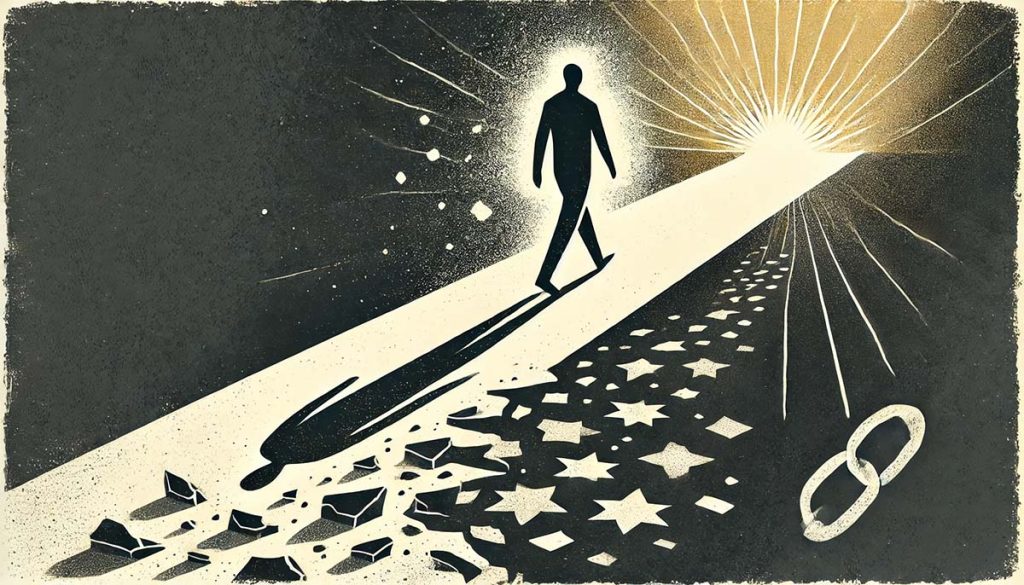
Imposter syndrome thrives on insecurity, but the antidote lies in self-compassion.
When you allow yourself to make mistakes, to be imperfect, to not know everything all the time, you start dismantling the imposter’s power over you.
This journey is one of patience—learning to trust your abilities, recognising that criticism is just feedback, not a measure of your worth.
It’s about stepping into your accomplishments and refusing to let the fear of being “found out” hold you back.
The way through is by embracing your messiness, your humanity, and realising that you are, and always have been, enough.